ECDC becomes part of WestTech London with climate innovation partnership
Imperial College London and the Earls Court Development Company (ECDC) have announced a new partnership set to advance climate innovation in London for the benefit of the UK, supporting the UK’s Industrial Strategy 2025.
ECDC also becomes part of WestTech London – bringing a new focus on cutting-edge climate research and cleantech entrepreneurship within the ecosystem.
The climate innovation partnership will see ECDC:
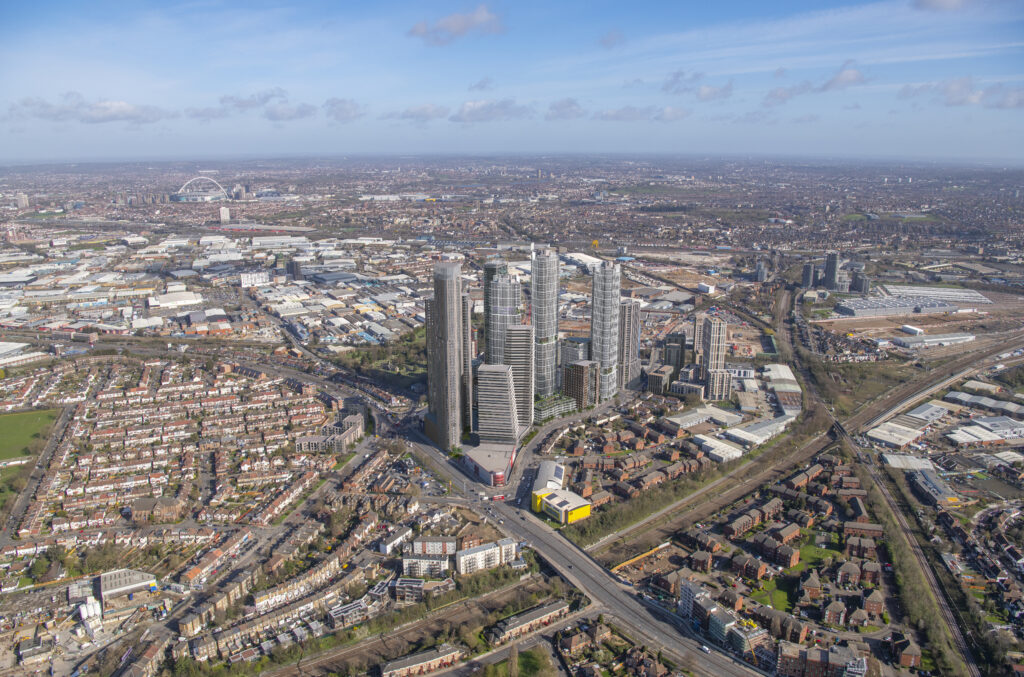
- Use Earls Court’s 40-acre brownfield site as a live testbed for climate tech R&D, creating real-world innovation testing opportunities for academics, spinouts and startups
- Support founders through Imperial’s Venture Catalyst Challenge and Undaunted, Imperial’s centre and incubator for climate change innovation
- Collaborate with Imperial on climate innovation skills development and education, delivering critical skills for the UK to be a global leader in this burgeoning sector
- Work with H&F Council to embed Upstream London and the Pathway Bond programme, maximising the opportunity for local people to be part of the clean economic future
- Host a Jawdrop Summit focussed on climate-tech, organied by Nexus, the joint venture between Imperial and H&F Council.
ECDC is already providing real-world testing and advice to innovators, offering mentoring and feedback to maximise their commercial readiness. The first pilot projects include Guerilla, a prototype “guerilla drain” which is fitted with sensors that filter and monitor stormwater pollutants in real time, helping to prevent contamination at source and Isometric Outcomes, a social enterprise startup specializing in engineering product design, which is testing its energy-recovery technology which captures and reuses waste heat in buildings.
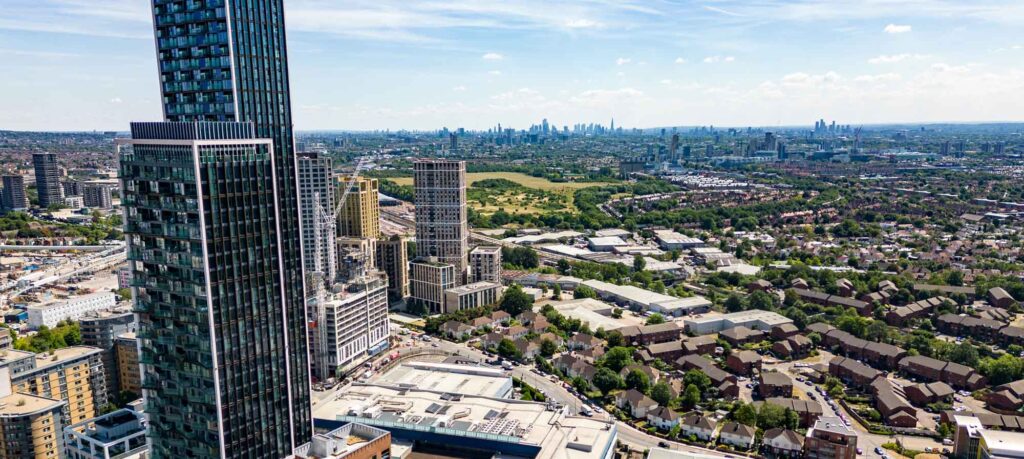
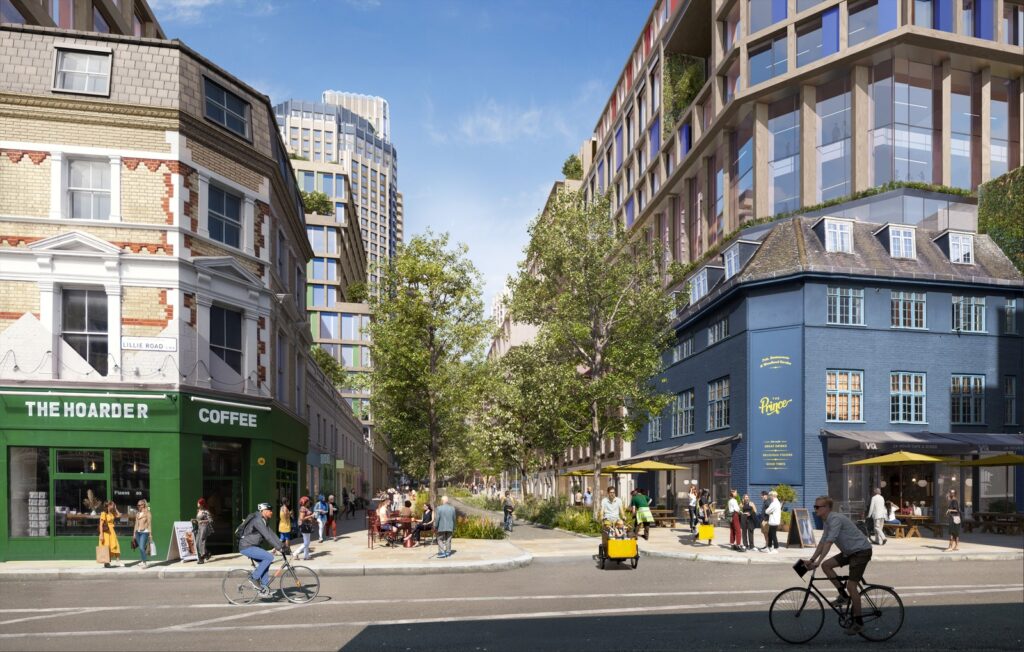
The Earls Court masterplan will be a £10bn transformation to create a climate-resilient district for London, encompassing c.4,000 homes and 2.5 million sq ft of workspace focused around a climate incubator primarily clustered within Hammersmith & Fulham. Through WestTech London and Upstream London, Earls Court will be connected to other innovation clusters across London and the UK, generating opportunities for R&D across the Earls Court site and greater economic growth.
The Earls Court development will make a major contribution to the UK economy, generating £3bn GVA/annum, creating and supporting up to 12,000 jobs on site and 23,500 jobs across the UK supply chain.
Professor Peter Haynes, Imperial Provost and Deputy President, said: “When Imperial launched WestTech London we set out an ambition to empower the future of scientific innovation by strengthening the pipeline from laboratory discoveries through technology development to new companies. We have been delighted with the response from stakeholders who share our vision and have joined us to unlock the innovation potential of West London to drive investment, economic growth and job creation. This new partnership with ECDC will play an important role in helping to advance climate innovation across WestTech London for the benefit of UK.”
Alyssa Gilbert, co-director of Imperial’s School of Sustainability and Director of Innovation at the Grantham Institute and Undaunted, said: “The built environment is one of the one of the most crucial and urgently needed areas of focus for climate innovation. We know that the collective power of Imperial’s entrepreneurial universe is vast and now, thanks to this partnership with Earls Court, our talented students, inspired staff and pioneering founders will have the opportunity to advance their climate innovations in a real-world setting, at one of the UK’s most exciting regeneration schemes.”
Peter Runacres, Head of Urban Futures at The Earls Court Development Company, said: “Partnering with Imperial brings world-class research, a pipeline of talent, and deep sector expertise that will help us shape Earls Court as one of the most sustainable developments in London. Following quickly after a resolution to grant consent in both boroughs, this is a critical part of our focus on delivering a transformative development at Earls Court. Together, we will create a major new destination for climate innovation, where pioneering businesses, academia and future-focused organisations come together to accelerate solutions to address the climate emergency.”
Cllr Stephen Cowan, Leader of H&F, said: “We’re extremely excited at the announcement of the new climate partnership. Over the last decade, since agreeing our unique industrial strategy partnership with Imperial College London, my team and I have been able to connect land developers with Imperial to build new laboratories, student accommodation, start-up spaces and more. Both Imperial and ECDC are our key partners. The wider Earls Court development will be a core addition to our Upstream London inclusive industrial strategy. That has transformed Hammersmith & Fulham into a global economic hotspot in future industries and made us London’s fastest growing economy – bringing an array of life-changing opportunities to our residents.
Imperial and ECDC are also founder members of H&F’s new Pathway Bond which, in this instance, underlines their commitment to our community and will empower local young people with a clear path to skills and opportunities in the cutting-edge climate-tech sector. In a world changing faster than ever before, the new climate innovation focus is also an extremely positive advancement for London and the UK.”
Laura Citron OBE, CEO of London & Partners, said: “WestTech London is really starting to take root. These partnerships show just how much momentum there is behind creating these vital corridors across the city. And when you look at what’s driving that, a lot of it comes down to London’s ability to commercialise R&D at scale. That’s been a real catalyst for growth in areas like climate tech, where London is genuinely leading the way. And that growth is now creating real demand for new kinds of innovation spaces. Earl’s Court being a great example – it has the potential to become a real home for the green economy. It also shows what’s possible when we unlock brownfield land for the innovation economy. There’s a lot we can learn from that.”