St Mary’s Hospital Redevelopment to Strengthen Paddington Life Sciences Cluster

St Mary’s Hospital Redevelopment to Strengthen Paddington Life Sciences Cluster

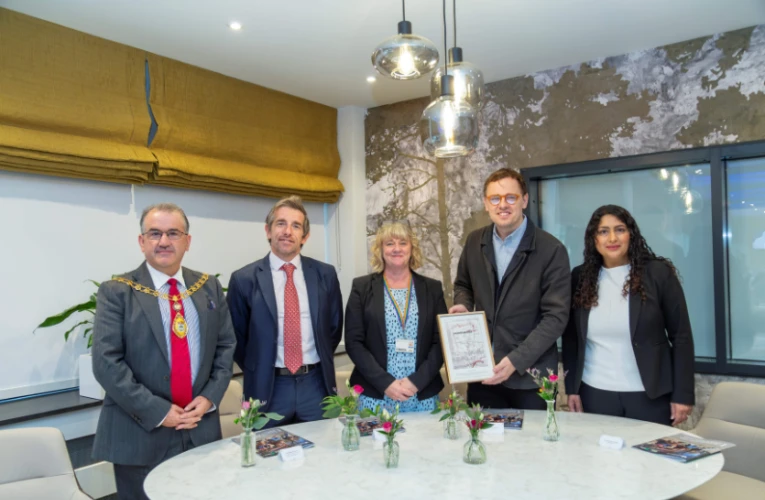
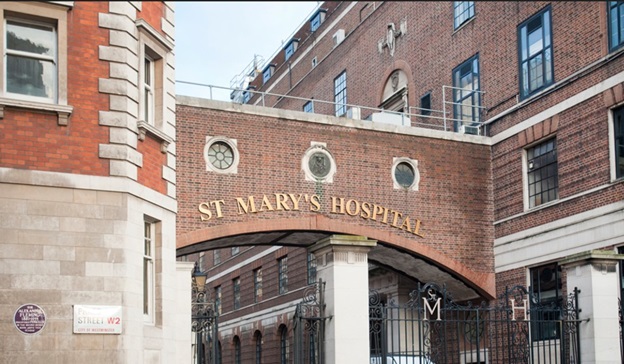
Work has begun on the first stage of a masterplan  to redevelop St Mary’s Hospital in Paddington, a major project that will redevelop one of West London’s key healthcare and life sciences sites. Imperial College Healthcare NHS Trust has appointed Stanhope Plc and Allies and Morrison to lead the masterplanning and planning application for the site, working alongside HOK and a wider design and delivery team.

The proposals include a new state-of-the-art teaching hospital and major trauma centre, alongside the wider regeneration and expansion of the Paddington Life Sciences cluster – a hub of research and innovation. Independent analysis suggests the development could support 12,000–15,000 jobs and up to £15 billion in new economic activity over the next decade.

Paddington Life Sciences is one of the innovation clusters which anchors WestTech London’s ecosystem. The St Mary’s redevelopment will help embed research, education, and clinical breakthroughs, while creating new opportunities for collaboration across healthcare, life sciences, and technology.

The public consultation to help shape the first phase of the masterplan is open until 20 March 2026.

Design work is now underway, with further opportunities for stakeholders to be involved in shaping the masterplan before a planning application is submitted in 2027.

Life Sciences in London: Strengthening the UK–US Innovation Bridge

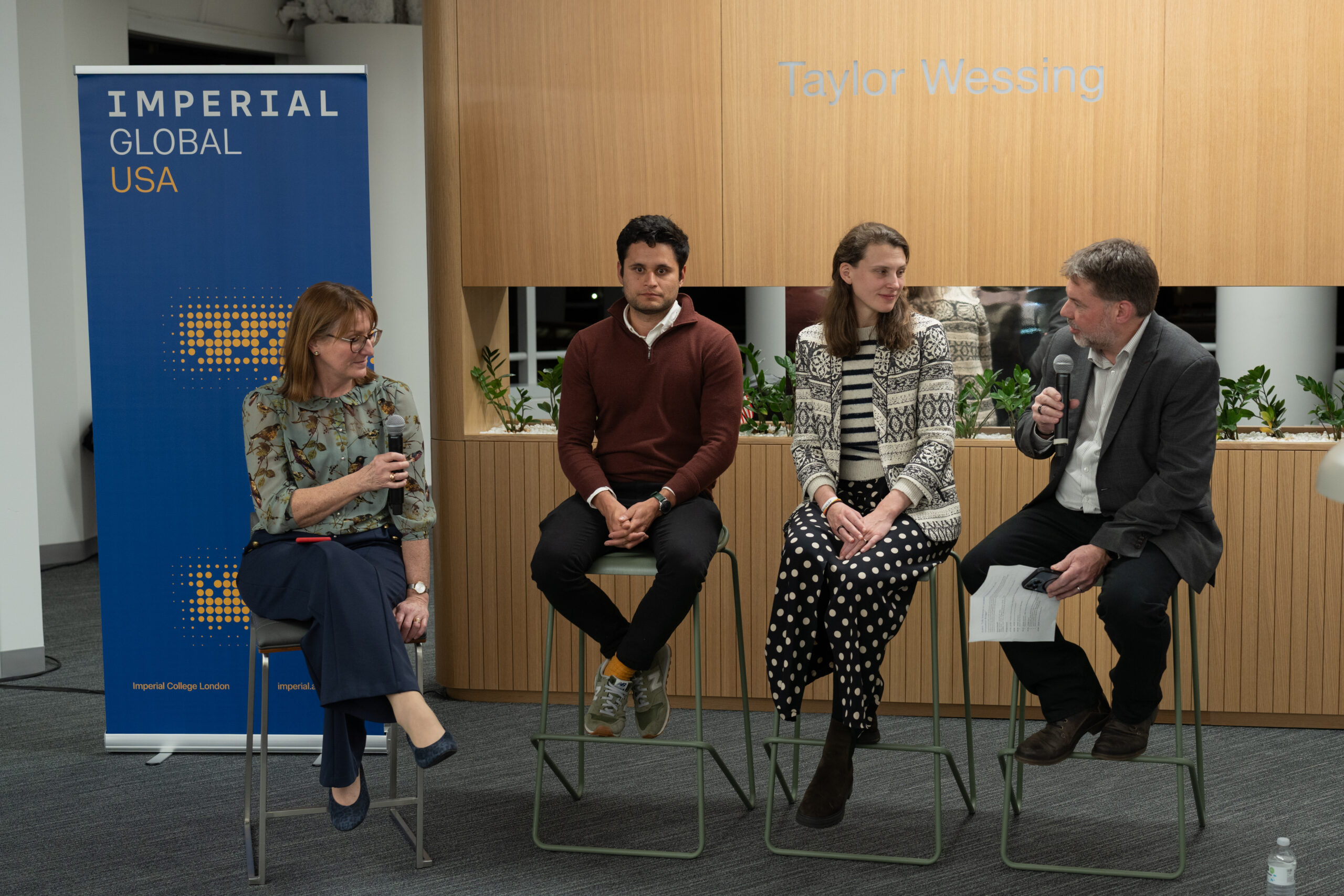
During the JP Morgan Healthcare Conference in San Francisco, Imperial Global USA, London & Partners, and Taylor Wessing hosted the event, Life Sciences in London: Building the UK–US Innovation Bridge. Bringing together leaders from industry, academia and government, the evening highlighted West London’s growing strength in AI-driven biotech and the vital role the location plays in connecting UK innovation to global markets.

The programme featured a keynote from Howard Dawber OBE, Deputy Mayor of London for Business and Growth, alongside a panel discussion exploring founder-led growth, translational science, and transatlantic scale-up. Speakers included founders from White City Innovation District companies – Ignacio Willats from Mytos and Anna Schaffgotsch from Impli – and Professor of Virus Genomics at Imperial, Paul Kellam. They reflected on how ecosystems like WestTech London — rooted in world-class research institutions, and benefiting from diverse talent and strong investor networks — are enabling life sciences companies to grow internationally, including into similarly innovation-focussed areas like the San Francisco Bay Area.

As Professor Kellam stated; “For anyone interested in the entrepreneurial side of healthcare, this is an incredible environment. It is not just about outcomes, it is about the journey and bringing the right people together along the way.”

The event also underlined the important role of Imperial Global USA. Imperial Global USA acts as a cornerstone of Imperial’s transatlantic network, uniting diverse stakeholders – industry leaders, government officials, alumni, and academic partners – around a shared mission of advancing scientific progress for today’s most challenging issues. For WestTech London, IGUSA is an essential partner  in strengthening links between London and Silicon Valley, creating new pathways for entrepreneurs, researchers, and investors to engage with London’s innovation community.

As WestTech London continues to unite researchers and entrepreneurs around a shared mission for inclusive, innovation-led growth, events like this reinforce West London’s position as a launchpad for globally powerful life sciences companies – “You are suddenly in rooms and conversations that would otherwise be out of reach. The ecosystem comes to you, and that level of access accelerates relationships in a way that is incredibly rare” (Professor Kellam).

Solena Materials Opens Pilot Manufacturing Facility to Scale Production Within WestTech London

Solena Materials, the textile innovation company developing AI-designed, high performance protein fibres, has opened a new pilot production facility in North Acton as it prepares for its first commercial product launch in 2028.

Unlike petroleum-derived synthetics – that lock the industry into carbon-intensive supply chains and cause microplastic pollution, or natural fibres constrained by land use, variability, and limited performance tuning – Solena uses proprietary AI-designed proteins and scalable bio-manufacturing to create fibres with tailored strength, elasticity, softness, fineness, and durability, all while remaining bio-based and biodegradable

The company’s move to North Acton, within the WestTech London ecosystem, makes it one of the first occupiers of this new site, providing  the team with the space and infrastructure to advance and optimise its materials and manufacturing processes. With the capacity to produce up to two tonnes of fibre per year, Solena will be able to service its existing premium athleisure and luxury brand partners while preparing for full commercial roll-out.

The new pilot facility builds on Solena’s origins as an Imperial College London spinout that progressed through the Imperial Incubator and the I-HUB at White City Deep Tech Campus. Moving to North Acton, and remaining within WestTech London, enables continued access to research collaboration, talent and infrastructure across the WestTech London innovation ecosystem.

The opening follows Solena’s £5.1 million seed round in 2024 and represents a shift from laboratory research towards scalable production ahead of commercialisation. As the company scales its multidisciplinary team and production capabilities, the relocation underscores WestTech London’s significance as a connected and competitive innovation ecosystem.

WestTech London’s start-up community grows as new businesses join ARC West London

ARC West London has welcomed five innovative startups to Leap, the new shared lab space supported by Imperial Incubator. Leap is located in ARC’s building within the Hammersmith Campus, an emerging innovation cluster in the rapidly growing WestTech London ecosystem.

Announced as part of London Bio-Innovation Week [add URL], the first cohort of early-stage science and deep-tech innovation companies joining ARC West London span clean energy and sustainable materials to next-generation diagnostics, AI-enabled therapeutics, and ocean-based carbon capture.

Leap’s early success highlights the need for high-quality, flexible early-stage lab space in London. Imperial Incubator’s rent-by-the-bench model removes traditional barriers to growth by providing science-ready workspaces, specialist equipment, expert support and a built-in community, ensuring pioneering companies can stay, scale and thrive in west London.

This aligns with the ambitions of the London Growth Plan, which recognises science and technology as key drivers of the UK’s future economy. By empowering the transition from frontier research into real-world products and services, the shared lab space strengthens WestTech London’s ability to turn scientific discovery into economic opportunity and global impact.


London Life Sciences Week at Paddington

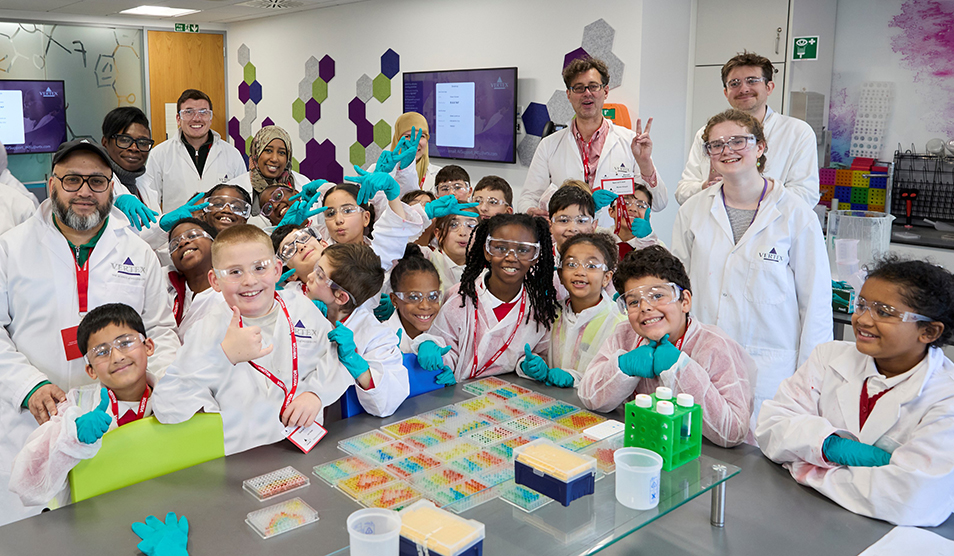
More than 100 pupils from Paddington took part in the area’s first innovation-focused life sciences careers events during London Life Sciences Week, held from 16 to 21 November. The programme was delivered by Paddington Life Sciences and the Grand Union BID, with support from MedCity and London & Partners, and was designed to introduce local students to the fast-growing WestTech London ecosystem. With new tech, data and life sciences companies clustering around St Mary’s Hospital, the region is becoming one of London’s most active centres for start-ups and research-led innovation.

At King Solomon Academy, students joined hands-on workshops and a careers fair with employers who are helping to shape WestTech London’s start-up and innovation landscape. Teams from companies such as Microsoft, Optum and Convatec led sessions on topics including AI in healthcare and how new medical technologies reach patients. The activities helped pupils understand how ideas are developed, tested and turned into products within the cluster of life sciences and tech organisations around St Mary’s Hospital and Paddington. Later in the week, Year 4 pupils from St Mary Magdalene and St Stephen’s Primary School visited Vertex’s Learning Lab, where they took part in practical experiments that sparked early interest in STEM and the technologies driving modern health and biotech innovation.

The events highlighted WestTech London’s commitment to opening up opportunities for young people and building a strong future talent pipeline. Through Paddington Life Sciences, which is led by Imperial College Healthcare NHS Trust and brings together NHS teams, researchers, industry and community partners, the region is giving local students clearer pathways into health tech, data science and deep tech careers. By working directly with schools, WestTech London partners are making it easier for young people to explore the opportunities on their doorstep and take their first steps into one of the UK’s most dynamic sectors.

White City companies recognised in MedCity’s Life Sciences Companies to Watch 2025

Fifteen companies from the White City Innovation District have been named in MedCity’s new Life Sciences Companies to Watch 2025 report, released to coincide with London Life Sciences Week. The annual snapshot highlights more than 60 emerging businesses across biotech, medtech and healthtech, and this year White City and the wider WestTech London community feature strongly.

The companies recognised include Autolus Therapeutics, Epsilogen, Micrographia Bio, MiNA Therapeutics, Orchard Therapeutics, Quell Therapeutics and Vivan Therapeutics, along with several newer ventures and university spinouts. Their work spans gene therapy, precision medicine, diagnostics and new cell engineering techniques. Together they show how rapidly White City’s innovation ecosystem is maturing and how firmly it is now embedded within the wider WestTech London cluster.

MedCity compiled the list through consultation with London’s universities, sector specialists and independent data platforms. An expert panel then refined a longlist of 120 companies to the final selection of 60. The report aims to give a clearer sense of the talent, ideas and technologies shaping the next generation of life sciences innovation across the capital.

Leading Japanese pharma company, Shionogi, joins Paddington Life Sciences Partners

Shionogi, one of Japan’s leading pharmaceutical companies, has joined Paddington Life Sciences Partners, the partnership group that brings together NHS, academic, industry and community organisations committed to building the Paddington Life Sciences cluster. Its arrival further strengthens WestTech London’s growing position as a centre for health and life sciences innovation.

Led by Imperial College Healthcare NHS Trust, Paddington Life Sciences is developing a new life sciences cluster centred around St Mary’s Hospital. Paddington Life Sciences Partners play a central role in this work, helping to accelerate research translation, support new health technologies and deliver social and economic value for the region.

Shionogi opened its UK office in Paddington in 2024, bringing more than 150 staff into the heart of the WestTech London cluster. The company is internationally recognised for its work in infectious diseases and antimicrobial resistance, and its membership places it alongside Imperial researchers leading major antimicrobial resistance programmes, including the Fleming Initiative. The Fleming Centre, opening on the St Mary’s Hospital campus in 2028, will become a key hub for antimicrobial resistance research and engagement.

Researchers from WestTech London universities secure £2m funding to track ‘forever chemical’ pollution across UK rivers

The project UNSaFE (UNderstanding the Scale, Sources, Fate and Effects of PFAS pollution) – led by scientists from Brunel University of London, Imperial College London, King’s College London and the UK Centre for Ecology & Hydrology – has secured £2m in funding from UK Research and Innovation (UKRI) to map and monitor persistent ‘forever chemicals’ (PFAS) in rivers across the UK, starting with the River Thames based in west London.

The Environment Agency and charity Earthwatch-UK will also participate, alongside thousands of citizen scientists who will be recruited to gather freshwater samples, in this new four-year research initiative.

Forever chemicals, known as PFAS (per- and polyfluoroalkyl substances), are manmade compounds used in everyday products from furniture to cosmetics. They do not break down in the environment, accumulating in water sources, food systems, and the human body, and are now recognised as a persistent global health and environmental threat. UNSaFE harnesses the research power of WestTech London’s innovation ecosystem – from world-class universities and analytical capabilities to connectivity and industrial heritage – to address this pressing global challenge.

UWL and Ealing Council strengthen partnership at Ealing Festival of Business

The University of West London and Ealing Council have taken an important step in their long-term civic partnership during this year’s Ealing Festival of Business. The event brought together local businesses, community organisations and university teams, highlighting Ealing’s role within the wider WestTech London network and the opportunities this creates for skills, enterprise and innovation across the borough.

A morning gathering of councillors, university leaders and local representatives set the tone for the day, with discussions focused on how stronger partnerships can support students, boost small businesses and contribute to a fairer local economy. During the session, UWL and Ealing Council confirmed a new Memorandum of Understanding. This agreement will guide joint work ahead of a full civic-university partnership planned for 2026 and reflects a shared ambition to open up fresh opportunities for residents and businesses across Ealing and WestTech London.

The festival created a lively showcase for local enterprise. More than 40 exhibitors took part, giving small and medium-sized companies a platform to connect with customers, test ideas and meet potential collaborators. Workshops ran throughout the day in the Westmont Enterprise Hub, UWL’s centre for start-ups and business support, with sessions on procurement, business development and the council’s Good for Ealing programmes. Visitors also had the chance to speak one-to-one with advisers and other entrepreneurs, many of whom are active contributors to the wider WestTech London ecosystem.

Local organisations emphasised the value of continued collaboration. The West London Chambers of Commerce noted that giving businesses the space and support to grow has a direct impact on communities through new jobs, investment and wider economic activity across the WestTech London area.

The festival underlined the role that UWL, Ealing Council and WestTech London partners play in shaping a thriving and inclusive local economy. The new Memorandum of Understanding strengthens that commitment and sets the foundation for deeper joint work in the years ahead.

Imperial College Healthcare NHS Trust hosts Paddington Life Sciences Symposium

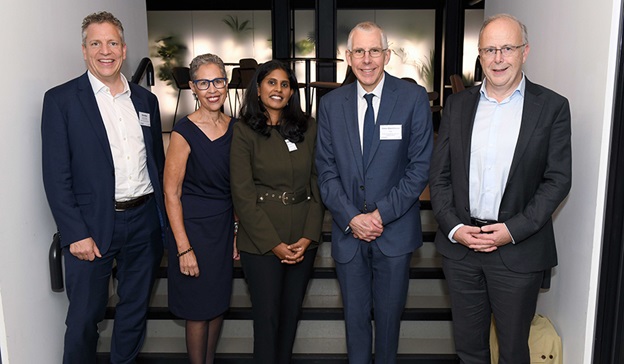
Imperial College Healthcare NHS Trust has hosted its second Paddington Life Sciences Symposium bringing together NHS, academic, industry and community leaders from across WestTech London to explore the future of UK life sciences.

Held at the Storey Club in Paddington, the event highlighted two years of progress in developing the St Mary’s-centred life sciences cluster and the importance of Paddington Life Sciences as a place-based innovation district.

The symposium showcased the strength of collaboration across WestTech London, including work to improve diversity in clinical trials and deepen partnerships between the NHS, researchers and industry. Delegates explored how coordinated regional strategies can build thriving innovation ecosystems, drawing on international examples such as Massachusetts and Kendall Square. Discussions also highlighted how WestTech London can accelerate access to innovation by strengthening collaboration between regulators, industry and the NHS. Overall, the symposium reinforced the intent and ambition shaping Paddington Life Sciences as it moves into its next phase as a key part of the WestTech London cluster.